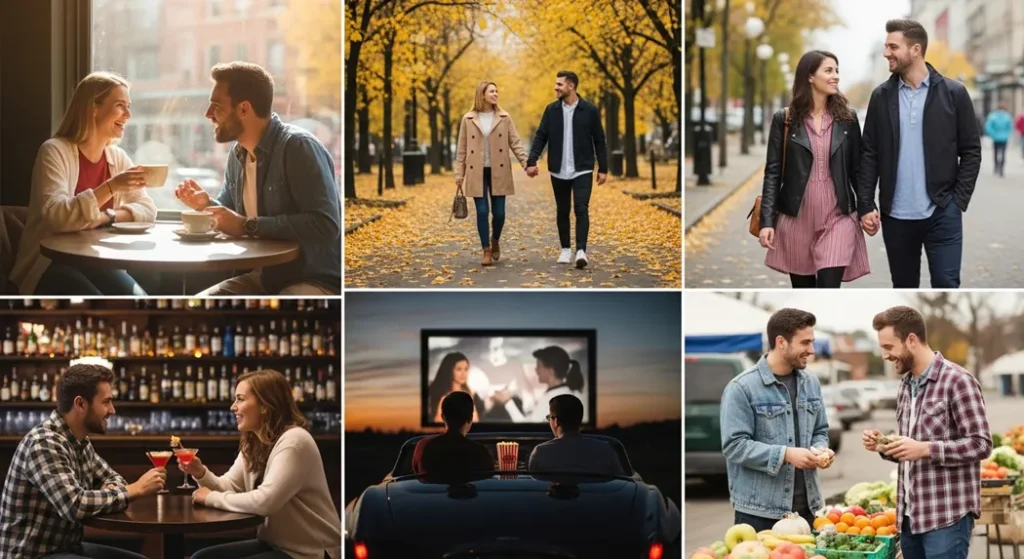
American dating culture is as vast, varied, and constantly evolving as the country itself. From classic first-date dinners under candlelight to spontaneous late-night matches made with a single swipe, the United States offers a uniquely rich mixture of longstanding romantic traditions, cutting-edge technology, regional quirks, and deeply held values that make dating here different from virtually anywhere else on earth. This comprehensive, experience-rich guide explores every layer of modern American courtship: where it came from historically, how smartphones and apps completely rewrote the rules, what people genuinely expect on dates in 2025, the cultural values that quietly guide every interaction, and the practical steps anyone can take to date successfully in the U.S. whether you grew up here or just arrived yesterday.
International readers constantly ask the same questions: How do Americans actually date? What are the real (often unwritten) rules? How much has technology changed everything? And how should someone from another culture navigate it all without feeling lost? Americans themselves often want a clearer mirror held up to their own dating habits. The sections ahead answer every one of those questions in detail, drawing on decades of observed cultural shifts and the very latest 2025 realities.
Historical Context of Dating in America
Long before dating apps, smartphones, or even widespread automobile ownership existed, American courtship passed through several distinct and fascinating stages. In the nineteenth century, the dominant practice was formal “calling.” A young man would literally call at a woman’s family home at an appointed hour, sit in the parlor under the watchful eyes of parents or a chaperone, and engage in polite conversation while being served tea or refreshments. Meetings between potential partners almost always happened through family introductions or supervised social gatherings such as church events, dances, or community picnics. Strict etiquette governed every glance, word, and gesture.
The early twentieth century, especially the Roaring Twenties, shattered those constraints. With rising urbanisation, greater economic freedom for young people, and the explosive popularity of cars, movies, dance halls, and speakeasies, young Americans suddenly had both the means and the privacy to “go out” together without parental oversight. This was the true birth of modern dating as a youth ritual focused on fun, fashion, social status, and personal enjoyment rather than immediate marriage prospects.
After World War II, the postwar economic boom and suburban optimism gave rise to “going steady.” Couples exchanged class rings, letterman jackets, or “promise” jewelry, and dating became widely viewed as deliberate practice for eventual marriage. High-school sweethearts who stayed together through college were celebrated.
The 1960s and 1970s, however, brought the sexual revolution, the widespread availability of the birth-control pill, second-wave feminism, and a massive cultural shift toward individual freedom. Casual dating multiplied, the expectation of rapid marriage faded dramatically, and personal and sexual autonomy became central values. Since that turning point, no single dating system has ever again dominated American life. Each generation has taken the best (and sometimes the most confusing) parts of what came before and blended them with new technology, social movements, and attitudes, creating the remarkably flexible, diverse, and individual-focused dating culture that defines the United States in 2025.
Influence of Technology and Dating Apps
Technology has not simply influenced American dating; it has completely revolutionised the way relationships begin, develop, and sometimes end. The first major wave arrived in the late 1990s and early 2000s with online-dating pioneers such as Match.com, eHarmony, and later Plenty of Fish and OkCupid. Suddenly people who would never have met in daily life because of geography, work schedules, or limited social circles could connect through detailed profiles and compatibility algorithms.
The smartphone revolution of the 2010s took everything to another level entirely. Apps like Tinder (2012), Bumble (2014), Hinge (designed to be deleted), and countless niche platforms turned finding a potential partner into something you could do in seconds while waiting for coffee. Swiping right became a cultural verb. By 2025, approximately four in ten American adults have used a dating app or site at least once in their lives, and active monthly users number in the tens of millions. Usage spans every demographic: college students discovering campus romance, thirty-somethings juggling careers and dating, divorced parents in their forties and fifties seeking new companionship, and even seniors enjoying later-life connections on platforms such as OurTime or SilverSingles.
Text messaging, Instagram and TikTok direct messages, and video dates (a habit cemented during the 2020–2022 pandemic) now serve as the standard “getting-to-know-you” phase before most in-person meetings. Long-distance relationships that begin with FaceTime or Zoom are no longer unusual.
The advantages are undeniable: unprecedented access, convenience, and the ability to filter for shared values or interests before investing time. The challenges, however, are equally real ghosting (abruptly cutting off contact), breadcrumbing (sporadic attention without commitment), the paradox of choice that makes commitment feel harder, and occasional superficiality driven by endless options. Despite these very modern frustrations, technology remains the single biggest force shaping how the vast majority of new romantic relationships start in the United States today.
American Dating Etiquette and Rules
Contemporary American dating etiquette is built on three pillars: respect, clarity, and equality. There is no elaborate ceremony to begin dating and no official status change until both people explicitly agree to exclusivity.
When it comes to paying the bill, tradition lingers in the idea that the person who extended the invitation usually offers to pay, especially on the first date. In opposite-sex couples that often used to mean the man paid, but in 2025 splitting the bill evenly (“going Dutch”) or taking turns on subsequent dates is completely standard and frequently preferred as a visible sign of equality and independence. Offering to cover your own share is always considered polite regardless of gender.
Punctuality is treated as basic respect. Arriving within a five-to-ten-minute grace period is usually forgiven (traffic and parking are universal excuses), but consistent lateness or major delays without a heads-up text will quickly end budding interest.
Communication style leans direct but kind. If you enjoyed the date, sending a short follow-up message “Hey, I had a really great time tonight, thanks for the lovely evening!” within the next day is not only appreciated, it is practically expected. If the chemistry was not there, many people will either politely decline a second date when asked or simply let contact fade (though most agree that a brief, courteous closure message is classier than ghosting).
Texting rhythm matters enormously. Light, playful exchanges keep momentum without pressure. A friendly check-in the morning after a date is sweet; constant messaging within the first week can feel intense and needy.
First-date manners remain refreshingly straightforward: dress neatly and appropriately for the venue (smart-casual works almost everywhere), silence or pocket your phone, maintain comfortable eye contact, listen at least as much as you speak, and ask open-ended questions that show genuine curiosity about the other person. Bringing up ex-partners, heavy emotional baggage, or controversial topics too early is widely discouraged. When the date ends, a short thank-you text within twenty-four hours keeps communication warm if you want to see each other again.
In short, American dating etiquette in 2025 rewards authenticity, mutual respect, and clear (but gentle) honesty from the very first moment.
Cultural Values: Independence, Equality, Casual vs. Serious Dating
Independence and equality are not just buzzwords; they are the foundational values that colour every stage of American romantic life. From adolescence onward, most Americans are raised to make their own decisions, and that expectation extends fully into dating and relationships. Young adults typically leave the family home between eighteen and twenty-two, and choosing romantic partners without parental approval or involvement is the overwhelming norm.
Gender equality has transformed dating dynamics. Either person can initiate contact, suggest a date, plan the evening, or pick up the check. The once-common script that men must always lead and women must wait to be chosen feels archaic to anyone under fifty. Traditional chivalrous gestures opening doors, offering a jacket on a cold night, walking on the traffic side of the sidewalk are still appreciated by many, but they are optional kindnesses, never obligations.
Early dating is almost always casual. Seeing multiple people simultaneously until someone special emerges and both partners decide to become exclusive is widely accepted and rarely causes drama when handled transparently. American society places relatively little pressure on marrying young; many people enjoy years or even decades of relaxed dating, cohabitation, or committed partnerships without formal marriage.
Hookup culture exists and is especially visible on college campuses and in large cities, yet it operates under strict contemporary norms of enthusiastic consent and safety. Many individuals, however, strongly prefer establishing emotional connection before physical intimacy.
Single parents dating again, divorced individuals seeking new love, and later-life romance are completely ordinary and carry virtually no stigma. Past marriages or children are usually disclosed naturally once a relationship shows signs of becoming serious.
Taken together, these values create a dating culture that is flexible, fun, remarkably open-minded, and deeply respectful of individual choice.

Common First Date Expectations
First dates in America are deliberately low-pressure, public, and designed to let both people assess basic compatibility without overwhelming investment. Coffee shops, casual restaurants or gastropubs, bars with a relaxed vibe, outdoor walks, museum visits, or even a simple park picnic are among the most common choices because they provide comfortable conversation settings and easy exits if chemistry is absent.
These meetings typically last one to two hours, though they naturally extend when both people are enjoying themselves. Greetings range from a friendly hug (very common in warmer regions and among younger people) to a polite handshake or simple verbal hello, depending on immediate comfort levels. Kissing or stronger physical affection on the first date happens only when mutual attraction is unmistakable and enthusiastic consent is clear; many people prefer to wait several dates.
Conversation focuses on light, positive topics: hobbies, travel experiences, favorite shows or music, funny life stories, career passions. Both people are expected to ask questions and listen actively. Repeatedly checking your phone is the fastest way to signal disinterest.
When it is time to part, a sincere expression of appreciation “I had a really nice time tonight, thank you” combined, if genuine, with “Let’s do this again soon” leaves everything on a positive note. Punctuality, attentiveness, and relaxed authenticity matter far more than expensive venues or grand gestures.
Gender Roles and Evolving Norms
Gender roles in American dating have evolved dramatically and continue to shift in 2025. Women initiate contact and plan dates just as often as men, especially on apps where sending the first message is effortless and encouraged. Splitting bills or alternating who pays on subsequent dates has become mainstream practice. Chivalrous acts remain welcome bonuses rather than requirements.
LGBTQ+ dating follows the exact same foundational etiquette of consent, clear communication, and mutual respect. Couples of any gender composition now negotiate their own preferred dynamic through open conversation: one partner might love cooking while the other manages finances, or everything might be divided fifty-fifty. Flexibility and individual agreement have replaced rigid expectations almost entirely.
Comparison with Dating Cultures from Other Countries
American dating culture stands out globally for its early one-on-one focus, casual progression, pronounced gender equality, heavy reliance on technology, and minimal family involvement until a relationship is serious.
In Japan, relationships frequently begin with group gatherings known as goukon and proceed slowly with a formal confession of feelings; public displays of affection remain rare and formality lingers longer. In urban India, arranged introductions still coexist with the rapid rise of dating apps, yet family expectations and community awareness often enter the picture far earlier than in the U.S. In France and Italy, romance is celebrated as an art form with long café conversations, overt flirtation, and a more relaxed attitude toward cohabitation without marriage, though technology use is generally lower than in America.
While similarities exist across Western nations, the United States remains notable for its combination of extreme individualism, rapid integration of new apps, and cultural acceptance of diverse relationship timelines.
Tips for Foreigners Dating in the USA
Be direct and honest in your communication Americans rarely engage in prolonged guessing games or expect the other person to read subtle hints. Demonstrate that you have your own passions, career ambitions, friend circle, and life goals; independence is one of the most attractive qualities here. Embrace the casual nature of early dates coffee or a walk is far more common (and appreciated) than an elaborate multi-course dinner on the first meeting.
Understand that dating multiple people simultaneously is completely normal and accepted until someone explicitly suggests exclusivity. Always meet in public places for the first several dates, let a trusted friend know your plans, and prioritise enthusiastic mutual consent at every stage of physical intimacy.
Feel free to use the same apps locals do Tinder, Bumble, Hinge, Feeld, or whatever is trending without hesitation; most Americans meet partners that way now. Share your cultural background openly and proudly; it almost always sparks curiosity and becomes a rich conversation topic rather than a barrier.
Stay authentic while respecting local norms around punctuality, clear communication, and personal space. Above all, relax, enjoy the process, and approach each new person with kindness and an open mind. American dating culture is one of the most welcoming on earth to newcomers who arrive with confidence and respect.
Conclusion
From supervised nineteenth-century parlor visits to swiping right in 2025, American dating has always been about expanding personal freedom and rewriting the rules to fit changing times. Independence, equality, crystal-clear communication, enthusiastic consent, and mutual respect remain the unchanging core amid constant evolution.
For international visitors and lifelong Americans alike, remember that the United States is enormous and wonderfully diverse dating in cosmopolitan New York feels different from dating in laid-back Southern California or traditional Midwestern towns yet the foundational principles travel everywhere. There is no single mandated “American way” to date, only the way that feels right and respectful for two consenting adults who treat each other well.
Approach modern American dating with sincerity, curiosity, kindness, and a willingness to communicate openly, and you will discover one of the most exciting, inclusive, and possibility-filled romantic landscapes on the planet. Welcome to love, U.S. style relaxed, ever-evolving, and ready for whoever you are.